DRUG-LIKENESS & PHARMACOKINETIC EVALUATION
AI-powered bioinformatics analysis

/

/

DRUG-LIKENESS & PHARMACOKINETIC EVALUATION

Identify Compounds with Real Development Potential

A strong molecular interaction does not automatically make a successful drug candidate.

Many compounds demonstrate promising binding affinity but fail during later stages of development due to poor absorption, unfavorable pharmacokinetics, toxicity concerns, or inadequate drug-like properties.

Bioventum helps researchers evaluate the developability of candidate compounds through computational pharmacokinetic and drug-likeness assessment. By identifying potential limitations early, researchers can make more informed decisions, prioritize stronger candidates, and strengthen the translational relevance of their findings.

Whether you're screening natural products, evaluating lead compounds, or supporting publication-focused research, pharmacokinetic evaluation provides critical insight beyond molecular interaction alone.
/

/

DRUG-LIKENESS & PHARMACOKINETIC EVALUATION

What This Research Solution Helps You Achieve

/001

Evaluate Drug Development Potential

Assess whether compounds possess characteristics commonly associated with successful therapeutics.

/002

Prioritize Better Candidates

Focus research efforts on compounds with favorable pharmacokinetic and safety profiles.

/003

Reduce Development Risk

Identify potential liabilities before investing in experimental validation.

/004

Strengthen Scientific Conclusions

Support computational findings with additional evidence regarding absorption, metabolism, toxicity, and drug-likeness.

/005

Improve Publication Readiness

Generate analyses frequently included in pharmacology, medicinal chemistry, and computational drug discovery publications.

Included Capabilities

Included Capabilities

ADMET Analysis

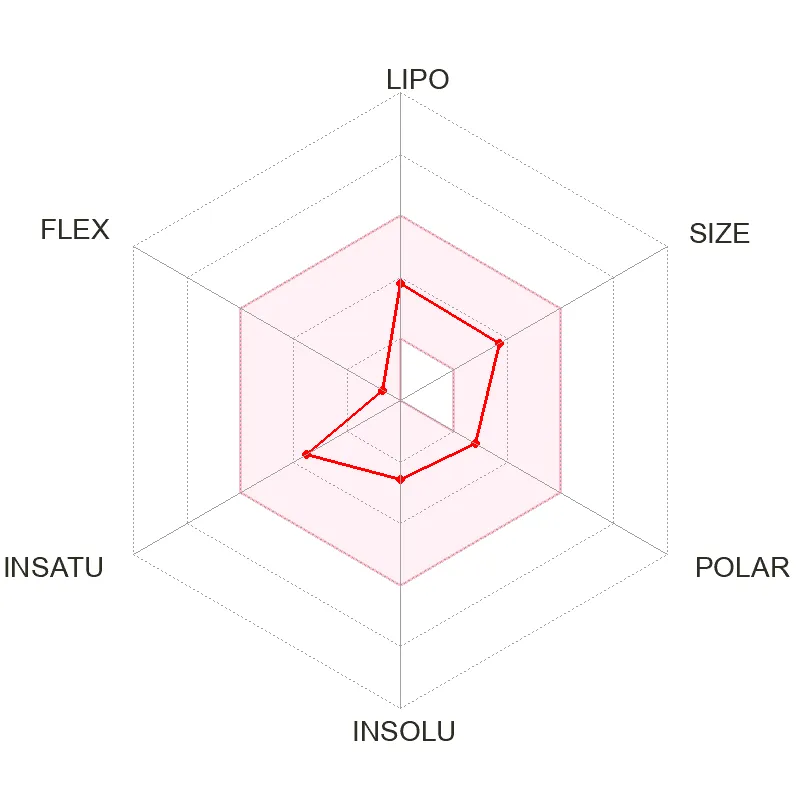
Drug-Likeness Assessment

Medicinal Chemistry Profiling

Compound Prioritization

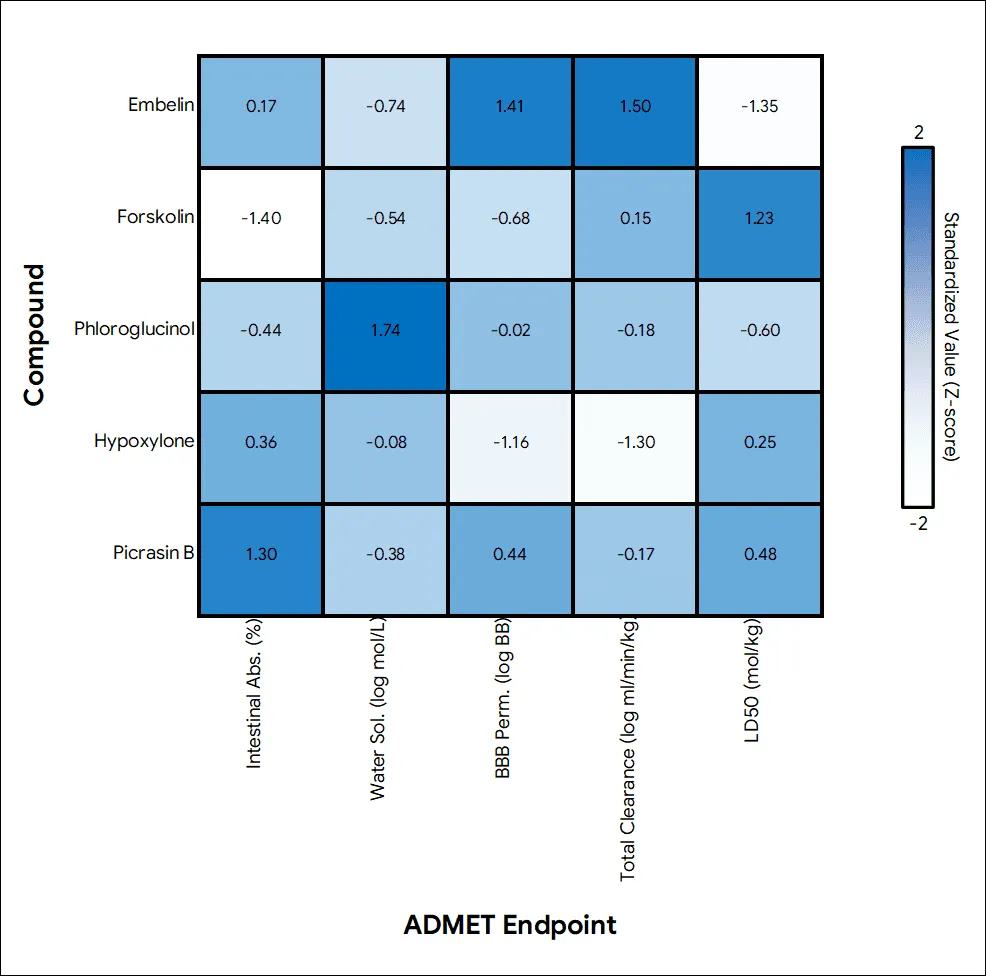
Evaluate the pharmacokinetic and safety profile of candidate compounds through advanced computational prediction, enabling early identification of promising drug candidates while reducing development risks.

What We Assess

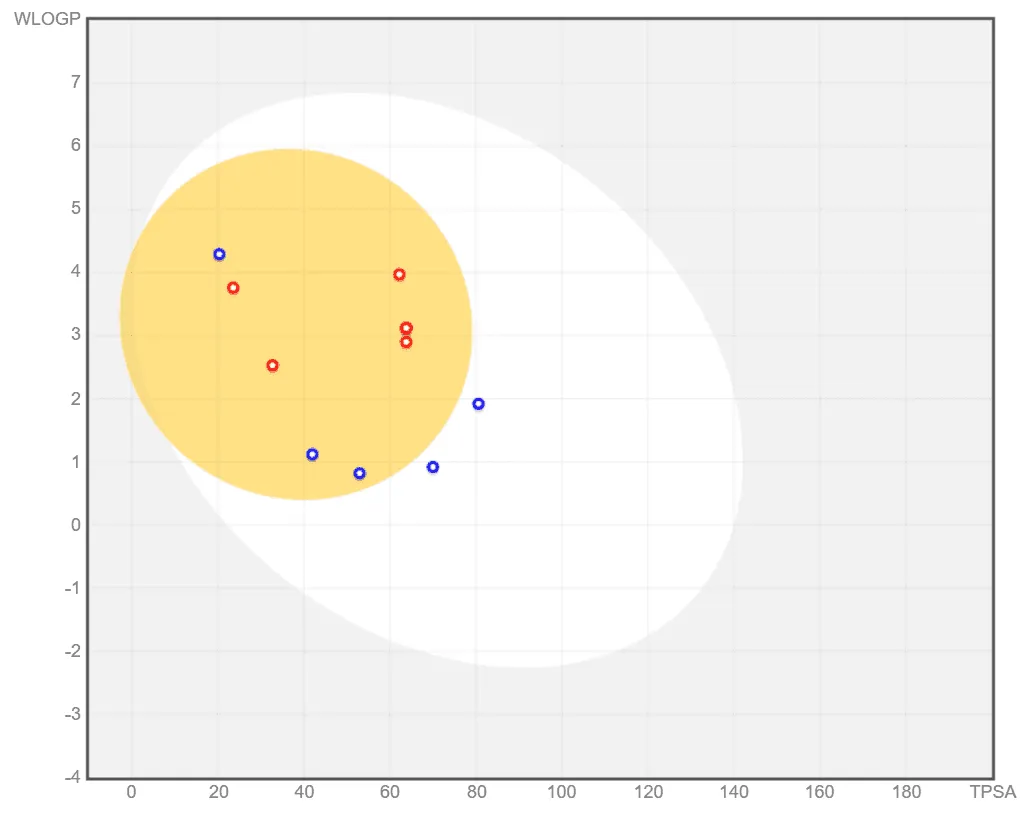
  • Absorption - Predict oral bioavailability, gastrointestinal absorption, and membrane permeability.

  • Distribution - Estimate tissue distribution and pharmacokinetic behavior in the body.

  • Metabolism - Assess interactions with metabolic enzymes and potential metabolic liabilities.

  • Excretion - Predict elimination pathways and clearance characteristics.

  • Toxicity - Screen for potential safety risks and toxicity concerns to support candidate selection.

Typical Outputs

  • ADMET Profiles

  • Pharmacokinetic Assessment

  • Toxicity Predictions

  • Comparative Candidate Evaluation

ADMET Analysis

Drug-Likeness Assessment

Medicinal Chemistry Profiling

Compound Prioritization

Evaluate the pharmacokinetic and safety profile of candidate compounds through advanced computational prediction, enabling early identification of promising drug candidates while reducing development risks.

What We Assess

  • Absorption - Predict oral bioavailability, gastrointestinal absorption, and membrane permeability.

  • Distribution - Estimate tissue distribution and pharmacokinetic behavior in the body.

  • Metabolism - Assess interactions with metabolic enzymes and potential metabolic liabilities.

  • Excretion - Predict elimination pathways and clearance characteristics.

  • Toxicity - Screen for potential safety risks and toxicity concerns to support candidate selection.

Typical Outputs

  • ADMET Profiles

  • Pharmacokinetic Assessment

  • Toxicity Predictions

  • Comparative Candidate Evaluation

Tools

Utilize established computational pharmacology and cheminformatics platforms to evaluate drug-likeness, pharmacokinetic behavior, toxicity risk, and medicinal chemistry properties. These tools support evidence-based compound prioritization by assessing the developability and translational potential of candidate molecules.
  • SwissADME
  • pkCSM
  • ProTox-3
  • PASS Online
  • PubChem
  • Open Babel
  • Python
  • SwissADME
  • pkCSM
  • ProTox-3
  • PASS Online
  • PubChem
  • Open Babel
  • Python

Why It Matters

/001

Assess whether candidate compounds possess favorable pharmacokinetic properties and drug-like characteristics before experimental development.

/002

Identify potential absorption, metabolism, toxicity, and safety concerns early to support better research decisions.

/003

Integrate drug-likeness and ADMET evidence to focus resources on compounds with greater translational potential.

Ready to Evaluate Your Most Promising Compounds?

Book a Free Research Strategy Session and discuss your project with our team.

Book Now