MOLECULAR VALIDATION

Move Beyond Predictions. Validate Molecular Stability with Confidence.
A promising docking result is only the beginning.
While molecular docking provides a static snapshot of protein–ligand interactions, it cannot fully capture how molecular complexes behave under dynamic biological conditions. For researchers seeking stronger evidence, deeper mechanistic understanding, and publication-ready validation, molecular validation is a critical next step.
Whether you're preparing a manuscript, responding to reviewer comments, or validating lead compounds before experimental work, molecular validation helps transform promising interactions into scientifically defensible evidence.
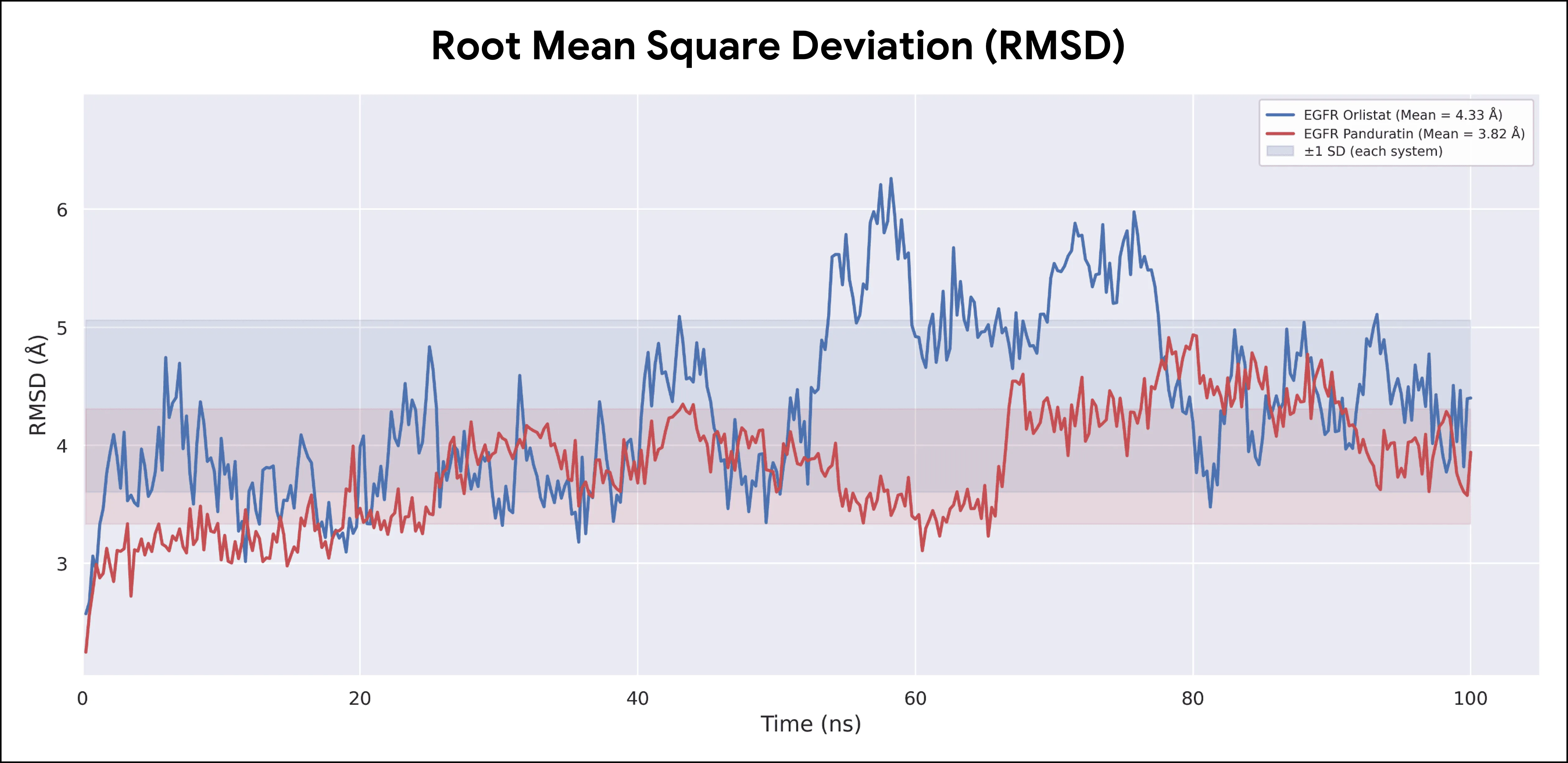
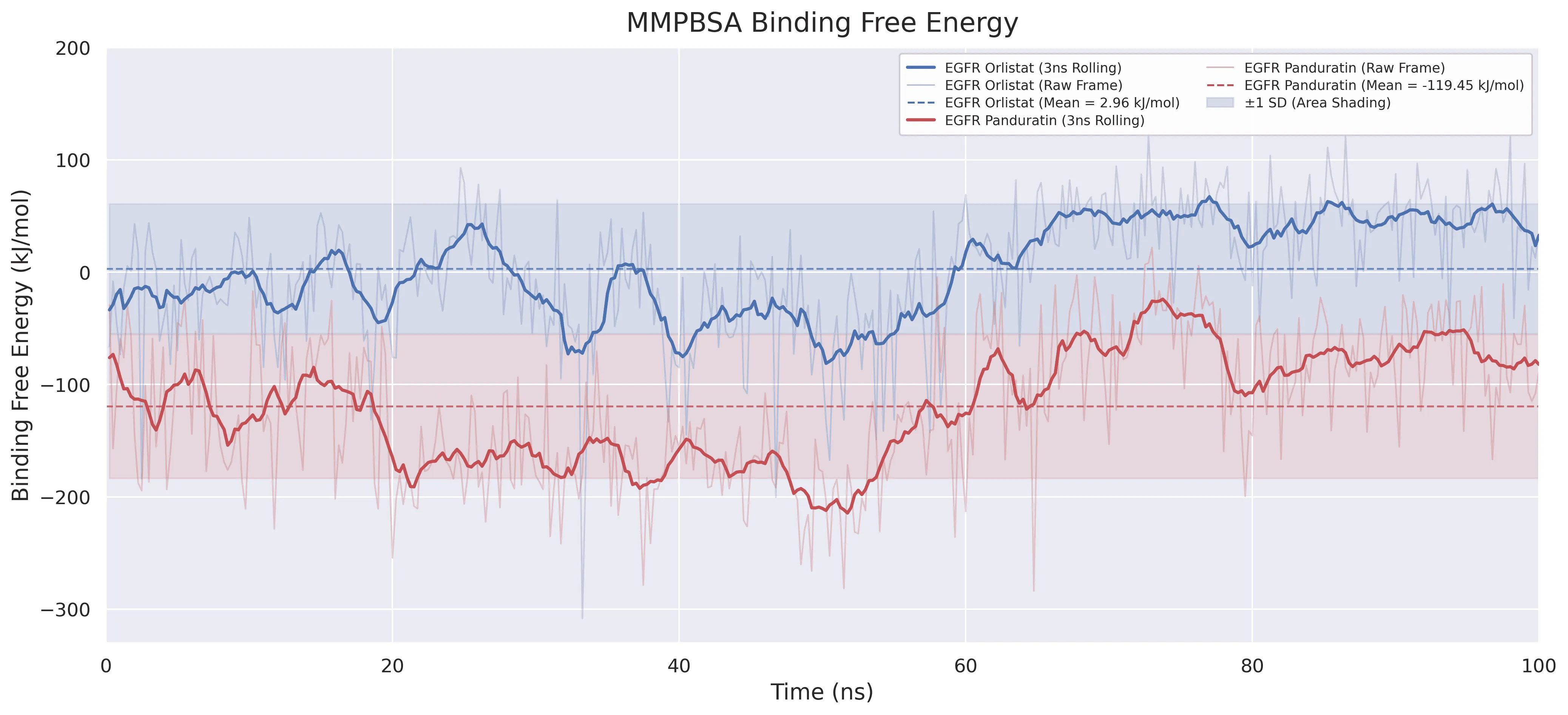
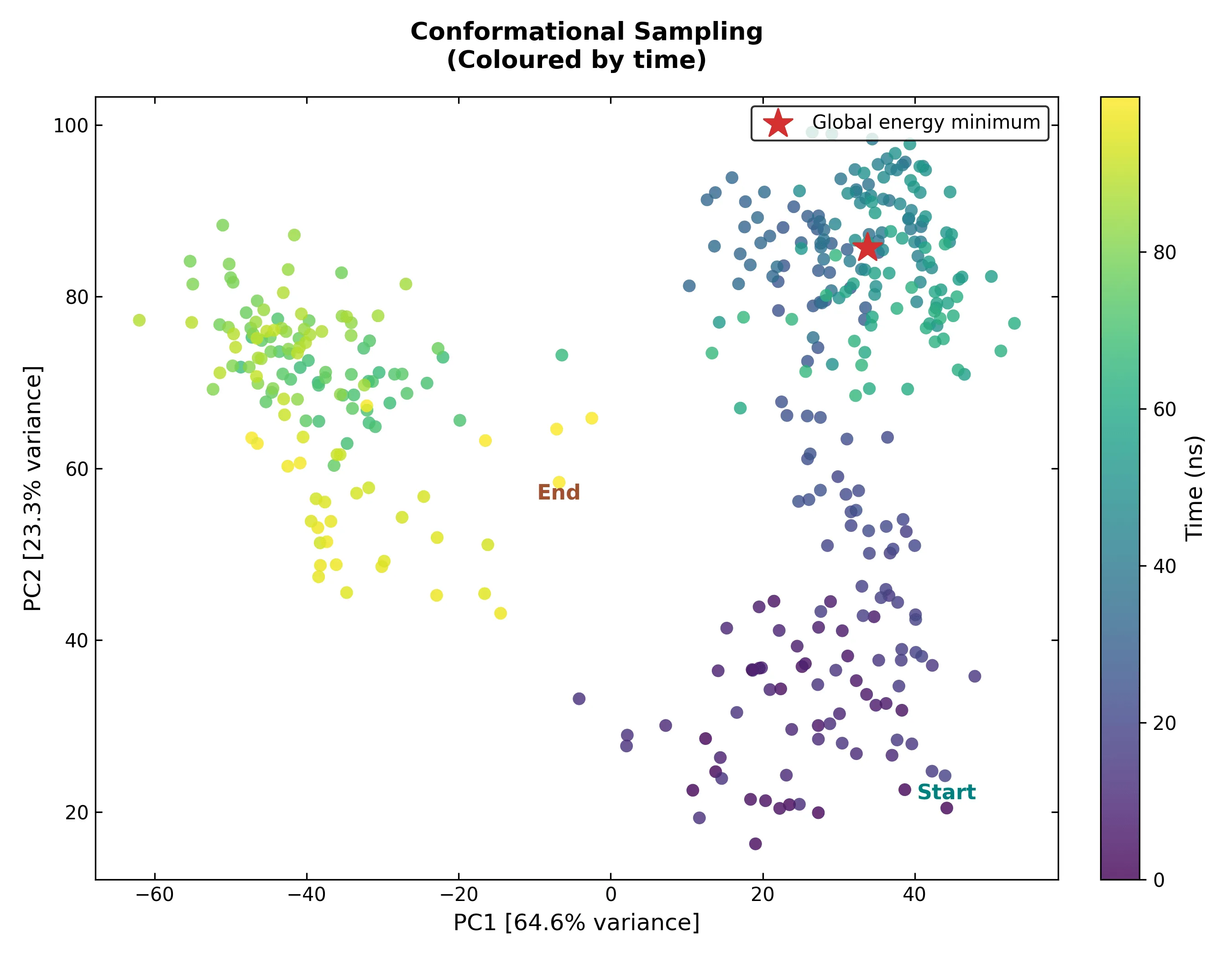
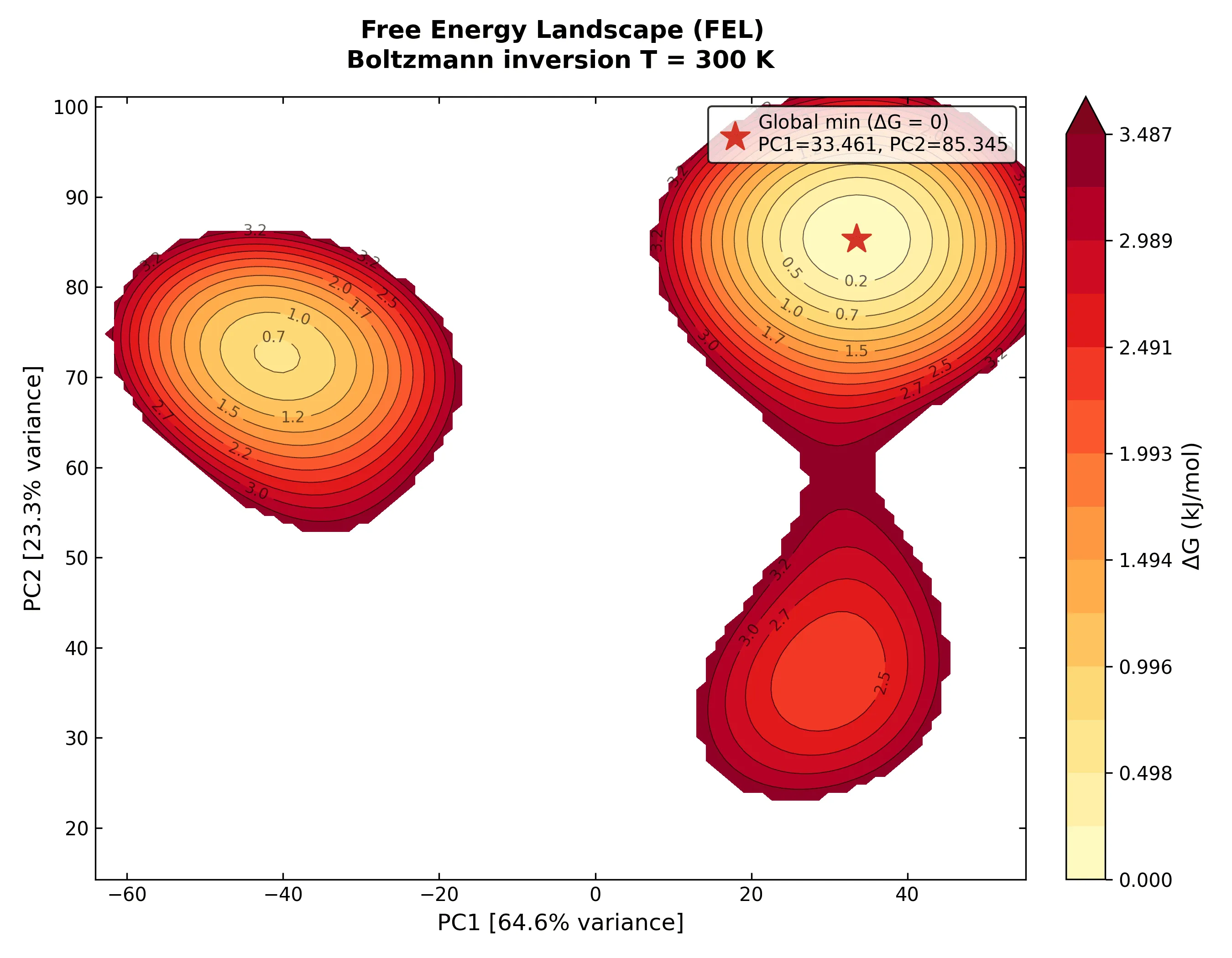
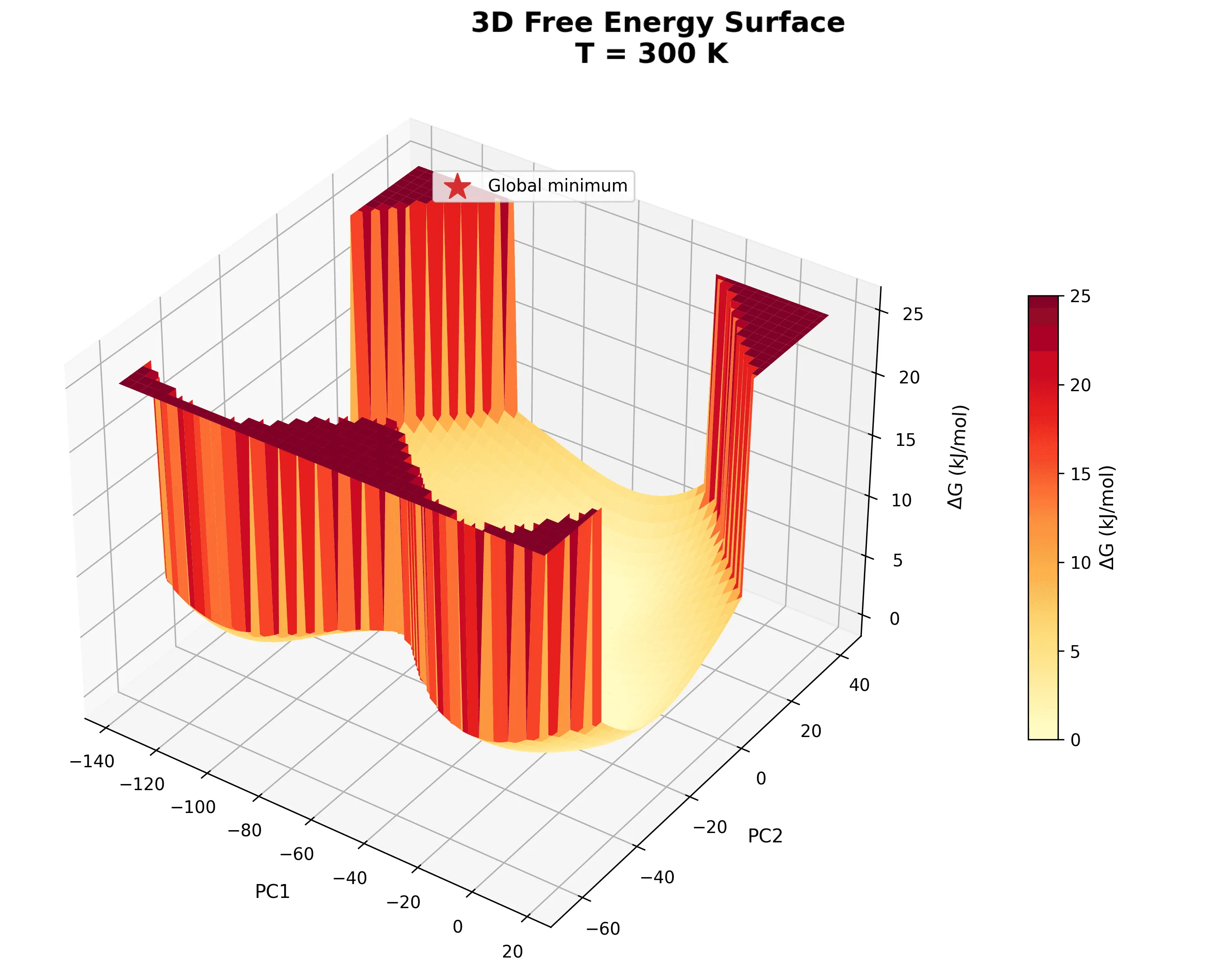
What This Research Solution Helps You Achieve
/001
Determine whether protein–ligand interactions remain stable throughout simulated biological conditions.
/002
Provide dynamic and energetic evidence that extends beyond static docking predictions.
/003
Reveal conformational changes, flexibility patterns, and interaction dynamics over time.
/004
Generate analyses frequently requested by reviewers and expected in computational drug discovery research.
/005
Identify compounds with favorable stability and interaction profiles before advancing to experimental validation.
Simulation Packages
Choose a simulation duration that aligns with your research objectives and publication goals.
Entry Package
20 ns Simulation
Designed for preliminary stability assessment and early-stage exploration.
Ideal for:
Initial screening
Pilot studies
Early hypothesis validation
Standard Package
Provides a balanced level of validation suitable for many computational research projects.
Ideal for:
General publication support
Compound comparison
Stability assessment
High Credibility Package
A comprehensive validation approach frequently used in peer-reviewed computational drug discovery studies.
Ideal for:
Publication-focused projects
Reviewer-requested validation
Advanced stability analysis
High Impact Package
200–500 ns Simulation
Designed for in-depth investigation of molecular behavior and long-term stability.
Ideal for:
High-impact publications
Advanced mechanistic studies
Comprehensive molecular characterization
Tools
Utilize established computational drug discovery platforms to investigate protein-ligand interactions and evaluate therapeutic candidates. These tools support molecular screening, docking analysis, structural visualization, and compound prioritization throughout the early stages of drug discovery.





Why It Matters
/001
Verify whether protein–ligand complexes remain stable under dynamic simulation, providing stronger confidence beyond docking predictions.
/002
Generate dynamic and energetic validation that supports scientific conclusions and enhances the credibility of research findings.
/003
Produce comprehensive analyses commonly expected by peer-reviewed journals, reviewers, and advanced computational drug discovery studies.

Ready to Strengthen Your Molecular Evidence?
Book a Free Research Strategy Session and discuss your project with our team.
Book Now